
Breaking Down Corporate Video Pricing Structure

When it comes to creating videos for your company, brand, or non-profit, understanding the pricing can feel like navigating a maze. I’ve been there myself, wondering why some quotes seem sky-high while others feel too good to be true. So, let’s break down the corporate video pricing structure in a way that’s easy to grasp and practical to use. By the end, you’ll have a clearer picture of what goes into the cost and how to budget smartly for your next video project.
Understanding the Corporate Video Pricing Structure
First off, what exactly influences the cost of a corporate video? It’s not just about filming and editing. There are several layers to consider:
Pre-production: This includes concept development, scripting, storyboarding, and planning. It’s the foundation of your video.
Production: The actual filming process, which involves equipment, crew, locations, and sometimes actors or presenters.
Post-production: Editing, color grading, sound design, motion graphics, and final delivery formats.
Additional costs: Licensing music, voiceovers, travel expenses, and revisions.
Each of these stages requires time, expertise, and resources. For example, a simple talking-head video might only need a small crew and minimal editing, while a high-end promotional video could involve multiple locations, actors, and complex animations.
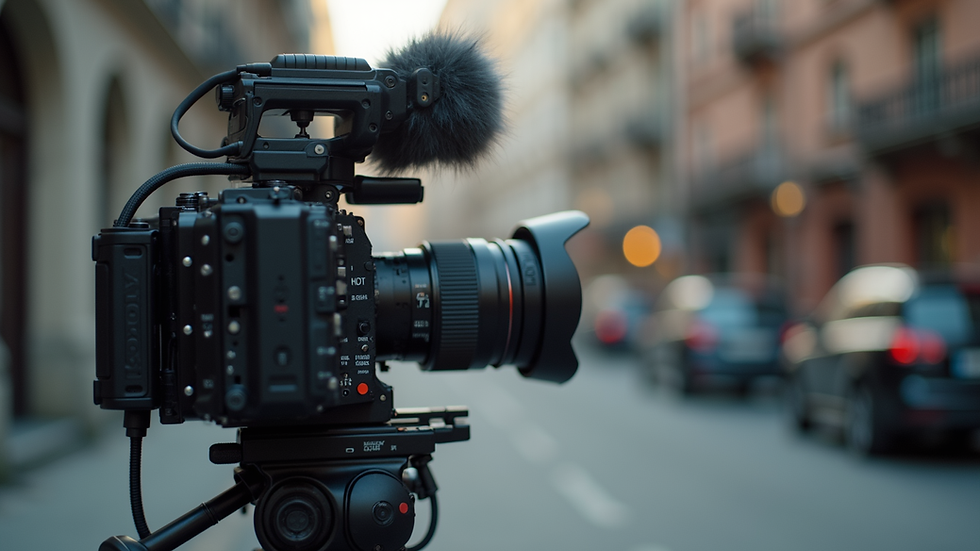
Knowing this structure helps you understand why prices vary so much. It’s not just about the final product but the entire process behind it.
Factors That Affect Corporate Video Pricing
Let’s dive deeper into what specifically drives the cost up or down:
Video Length
Longer videos require more shooting time and editing. A 2-minute video might cost half as much as a 10-minute one, but not always linearly. Sometimes, shorter videos need more polish and creativity, which can increase costs.
Quality and Style
Are you aiming for a simple interview style or a cinematic production? High-quality cameras, lighting setups, and professional actors add to the budget.
Crew Size and Expertise
A one-person crew can handle small projects, but larger productions need directors, camera operators, sound engineers, and editors.
Location and Logistics
Shooting on location can mean permits, travel, and accommodation expenses. Studio shoots might be more controlled but could have rental fees.
Post-Production Complexity
Adding animations, special effects, or custom graphics requires skilled editors and more time.
Revisions and Turnaround Time
Tight deadlines or multiple rounds of revisions can increase costs.
Understanding these factors helps you communicate your needs clearly and avoid surprises.
What is a Reasonable Budget for Videography?
Now, you might be wondering, “What should I realistically expect to spend?” Here’s a rough guide based on typical projects:
Basic videos (e.g., interviews, simple product demos): $1,000 - $5,000
Mid-range videos (e.g., promotional videos with some graphics and multiple locations): $5,000 - $15,000
High-end videos (e.g., cinematic productions, animations, multiple actors): $15,000 and up
Keep in mind, these are ballpark figures. Your project might fall outside these ranges depending on your specific needs.
If you’re working with a tight budget, focus on the essentials: a clear message, good lighting, and professional editing. Sometimes, less is more.

How to Get the Best Value for Your Video Investment
Spending wisely on video production means balancing quality with cost. Here are some tips I’ve found helpful:
Plan thoroughly: The more detailed your script and storyboard, the smoother the shoot and editing will be.
Prioritize your goals: What’s the main purpose of your video? Focus your budget on elements that support that goal.
Ask for itemized quotes: This helps you see where your money is going and negotiate if needed.
Consider package deals: Some studios offer bundled services that can save you money.
Be clear about revisions: Agree on how many rounds of edits are included to avoid unexpected fees.
Leverage existing assets: Use your own branding materials, music licenses, or footage to cut costs.
Remember, a well-made video is an investment that can boost your online presence and storytelling power. It’s worth putting thought into every dollar spent.
Planning Your Video Project with Confidence
Now that you have a better grasp of the corporate video pricing landscape, you can approach your next project with confidence. Whether you’re creating a brand story, a fundraising appeal, or a product showcase, understanding the pricing structure helps you make informed decisions.
Don’t hesitate to ask questions and request detailed proposals from video producers. The right partner will guide you through the process and tailor the project to your budget and goals.
Investing in quality video content is one of the smartest moves you can make to connect with your audience and stand out in a crowded market. With the right planning and knowledge, you’ll get the most impact for your investment.
Happy filming!


Comments